

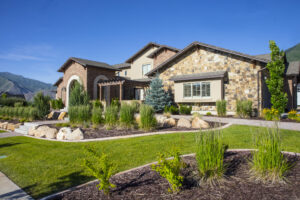
 Outside conditions often set the stage for Pest infestations before a problem ever appears indoors. That is why, for rental property owners, the way a yard is designed and maintained matters so much. Rental pest prevention works by limiting shelter, moisture, and food sources before pests ever reach the building. With steady landlord yard upkeep, owners can lower infestation risk, trim extermination costs, and protect both property value and resident satisfaction.
How Landscaping Protects Your Rental from Pests
Pest infestation usually starts from the outside moving inward. Many of the most common pests rely on outdoor spaces for nesting, breeding, and finding ways into buildings. When plants are overgrown, soil stays damp, and yards are cluttered, those conditions become ideal conditions for insects and rodents to thrive.
That is why one of the most effective ways to reduce pest infestation is to change the environments that help pests thrive. For rental property owners, that means taking a closer look at your property’s landscaping and making intentional improvements. When landscaping is viewed as part of a broader pest-prevention strategy, it becomes easier to address pest problems before they grow.
Trim Back Greenery to Deter Pests
One of the most practical starting points for keeping pests away is maintaining space between landscaping greenery and the home’s exterior. Shrubs, trees, and vines that touch siding, roofs, or windows can act like direct bridges for pests. Creating visible separation between greenery and structures removes these easy access points and improves airflow around the home. In this way, regular trimming makes your rental property less inviting to insects and rodents.
Mulch Tips: Preventing Pests in Rental Landscaping
Mulch works well in flower beds because it helps with both moisture retention and appearance. But mulch can also attract pests when it is overused or when the wrong material is chosen. Thick layers of organic mulch, in particular, provide excellent shelter for insects and small animals.
To make the yard less appealing to these pests, try:
- Using mulch sparingly and keeping it away from foundations
- Choosing gravel or stone alternatives near buildings
- Avoiding constant moisture buildup in landscaped beds
That way, you can maintain your property’s curb appeal without effectively serving as an invitation to unwanted pests.
Fix Drainage Issues to Keep Pests Away
Another major trigger that attracts pests is standing water. Mosquitoes, termites, and other moisture-loving pests are naturally drawn to puddles and pooling water, and that can create hordes of pests surprisingly fast.
To eliminate these pests, the best step is to make straightforward landscaping fixes that encourage proper drainage. That means checking that your landscaping has proper grading, clear downspouts, and drainage solutions positioned in useful places. Small changes like these can significantly reduce pest activity outdoors and help keep pests from getting indoors.
Low-Maintenance Lawns and Ground Cover for Pest Control
Lawns and ground cover may look beautiful, but they are also natural elements that can attract unwanted pests. When they are not consistently maintained, the problem becomes much worse. Tall grass, leaf piles, and unmanaged ground cover offer plenty of hiding spots, which is why maintenance like routine mowing and seasonal cleanup matters so much for limiting nesting opportunities for common pests.
If lawn maintenance is not practical, a better option may be beautiful but functional hardscaping elements. Gravel borders, decorative stone, stone walkways, and clear foundation perimeters can all improve the appearance of the property while reducing both maintenance and hiding spots for pests. Hardscaping can be installed on its own or mixed with greenery for a striking look. No matter the approach, consistent landscape maintenance remains the key to making your property less appealing as a long-term habitat for unwanted pests.
Proactive Landscaping Management Reduces Pest Infestations
Thoughtful landscaping goes beyond appearance. It is also a practical way of protecting your property from unwanted pests. By prioritizing pest prevention landscaping and keeping up with landlord yard upkeep, it is possible to reduce infestations, lower maintenance costs, and keep your residents comfortable.
If you are ready to upgrade your rental property’s landscaping strategy, contact your local property management experts in Cranston office today. Our team can help rental property owners like you protect your properties with smart landscaping options. Contact us online or call 401-272-3300.
This content is provided for general informational and educational purposes only and does not constitute financial, legal, tax, or investment advice. Readers should consult with licensed professionals regarding their specific circumstances.
We are pledged to the letter and spirit of U.S. policy for the achievement of equal housing opportunity throughout the Nation. See Equal Housing Opportunity Statement for more information.
